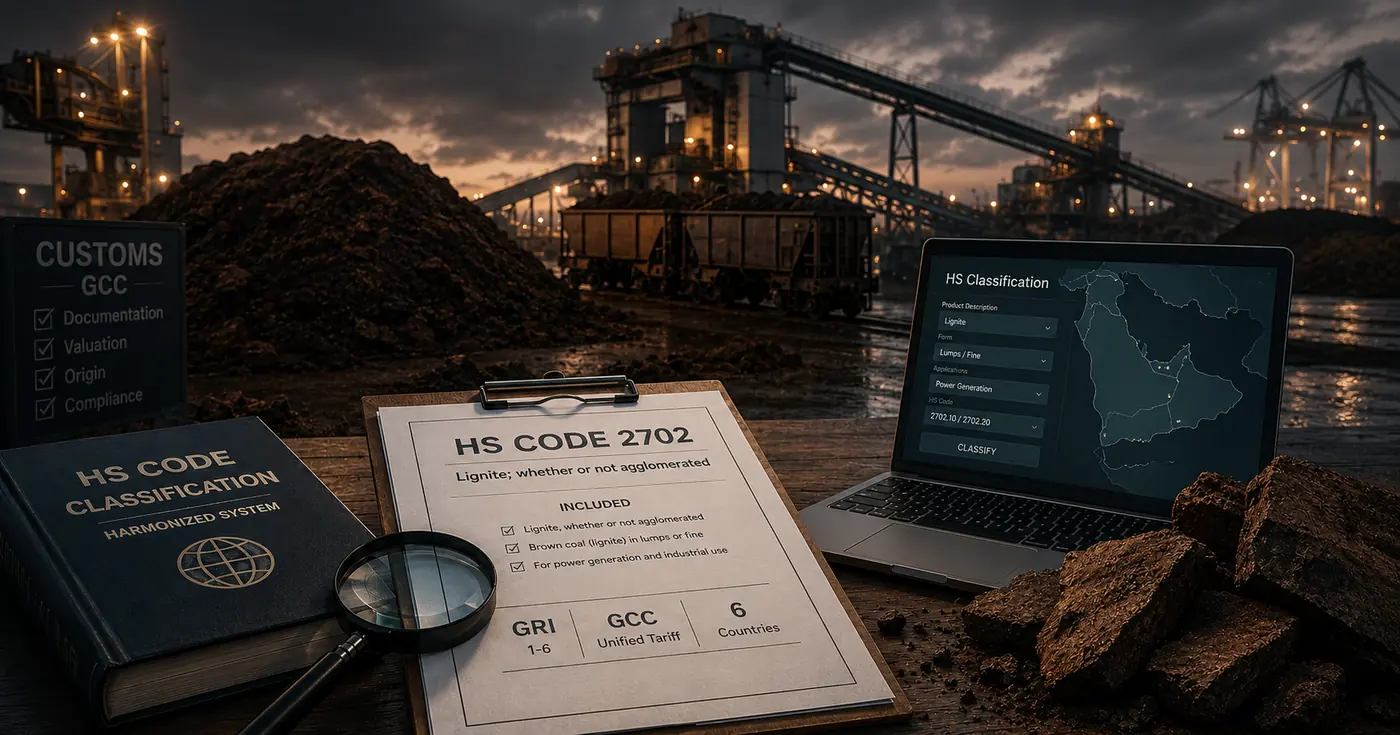


Customs Permits in GCC When HS Codes Trigger Regulatory Approvals
🧭 Introduction
In GCC customs operations, regulatory permits are not requested randomly. In most cases, permit requirements are triggered by HS code classification. A correct HS code can clear a shipment smoothly; an incorrect one can freeze it.
Understanding how HS codes interact with regulatory controls is essential for predictable clearance and audit resilience.
Core principle: Permits follow classification. Classification does not follow permits.
🔹 How HS Codes Trigger Permits
Customs systems in GCC countries are configured to flag specific HS headings for regulatory review. Once a flagged HS code is declared, the system automatically requires supporting approvals.
- Automated risk rules are HS-based
- Descriptions alone do not override HS logic
- Manual intervention is limited
Changing wording without changing HS code rarely removes permit requirements.
📂 Common Permit Categories Linked to HS Codes
| Permit Category | Typical Trigger |
|---|---|
| Health & safety | Food, cosmetics, medical items |
| Standards & conformity | Electrical and consumer products |
| Environmental control | Chemicals, waste, hazardous materials |
| Security & dual-use | Chemicals, telecom, controlled items |
| Agriculture & animal health | Plants, animals, feed |
🧠 Why Product Description Alone Is Not Enough
Many importers attempt to avoid permits by simplifying or altering product descriptions. Customs clearance logic prioritizes HS classification over commercial wording.
- HS code defines regulatory scope
- Description supports, but does not override
- Supporting documents must align
Reality check: If the HS code is controlled, the permit is mandatory—regardless of how the item is described.
🧪 Chemicals and Dual-Use Controls
Chemical HS chapters are among the most heavily regulated. Permit requirements may depend on:
- HS heading
- CAS number
- Concentration or formulation
Omitting chemical identity details often results in shipment holds.
⚙️ Industrial Equipment and Embedded Controls
Even industrial machinery may trigger permits when:
- It contains controlled components
- It falls under safety or efficiency standards
- It includes wireless or telecom modules
The permit trigger is often hidden at component level.
🔍 Misclassification as a Permit Risk
Incorrect HS classification can:
- Trigger unnecessary permits
- Bypass required permits
- Create audit exposure
- Delay clearance significantly
Permit compliance errors often originate from classification shortcuts.
🧾 Documentation Typically Required
- Regulatory approval or license
- Product specifications
- Test reports or certificates
- SDS or safety documentation (where applicable)
Documents must match the declared HS code.
⚠️ Common Permit-Related Mistakes
- Applying for permits after arrival
- Using permits issued for different HS codes
- Ignoring concentration or model differences
- Assuming previous clearance guarantees approval
Compliance insight: Permits are shipment-specific, not reputation-based.
📌 Best Practices for Managing Permit Risk
- Finalize HS classification before procurement
- Map HS codes to permit requirements internally
- Validate permits against declared HS
- Maintain permit validity tracking
- Retain approvals for post-clearance audits
📌 Why Permit Discipline Matters
Poor permit management results in:
- Shipment delays
- Storage and demurrage costs
- Penalty exposure
- Higher customs risk profiling
⚖️ Disclaimer
This information is provided for guidance purposes only and does not constitute legal or customs advice. Permit requirements, thresholds, and enforcement practices may vary between GCC member states and depend on product-specific facts. Always consult official customs authorities or qualified professionals before importing regulated goods.